KASEMRAD INTERNATIONAL HOSPITAL VIENTIANE
Interesting Articles
Upper Respiratory Tract Infection (URI)
When you are sick with symptoms such as sneezing, runny nose, nasal congestion, dry throat, and a dry cough, you may think it’s just a common cold, cough, or general allergy. However, these symptoms may indicate an upper respiratory tract infection, which is a common illness, especially during the rainy and winter seasons. Here’s how you can take care of yourself to prevent this disease:
Upper Respiratory Tract Infection (URI)
An upper respiratory tract infection is an infectious disease caused by viruses that affect the upper respiratory system, including the nose, ears, throat, voice box, trachea, and lungs. The virus typically enters through the nose and throat, causing swelling and redness of the mucous membranes and the secretion of mucus. URI can occur year-round, particularly during the rainy and winter seasons, or when the weather changes frequently.
Common illnesses caused by upper respiratory tract infection include:
- Common cold (Acute nasopharyngitis)
- Acute otitis media (middle ear infection)
- Sinusitis
- Acute laryngitis (voice box infection)
- Acute pharyngitis (throat infection)
- Acute tonsillitis
- Acute bronchitis (bronchial infection)
- Lower respiratory tract infection
- Pneumonia
Causes of URI:
The majority of upper respiratory tract infections are caused by viruses, with almost 200 different types of viruses being responsible. Some of the common viruses that lead to URI symptoms include:
- Coronavirus (SARS-CoV-2)
- Influenza viruses (Influenza A & B)
- Respiratory syncytial virus (RSV)
- Adenovirus
- Enterovirus
- Human metapneumovirus (hMPV)
Often, multiple viruses contribute to the illness, which is commonly referred to as the cold. These viruses are found in the mucus, saliva, and phlegm of infected individuals. Coughing and sneezing can spread these viruses up to about 3 feet, and they can remain airborne for a day or more.
How the virus spreads:
- Close contact in crowded places with poor air circulation, such as movie theaters, buses, air-conditioned buildings, etc.
- Transmission from sneezing, coughing, or contact with infected surfaces (e.g., tissues, cups, toys, phones, etc.). If someone rubs their eyes or picks their nose, they can introduce the virus into their body and get infected.
Incubation period and contagious phase:
- Incubation period: About 1–3 days from exposure to when symptoms begin to show.
- Contagious period: Throughout the time the person has the virus. After recovery, immunity lasts for 1–3 months, but reinfection is possible.
Symptoms of Upper Respiratory Tract Infection:
- Sneezing, runny nose, nasal congestion, dry throat, slight sore throat, dry cough, or mild phlegm (usually white). Common body symptoms include headaches, occasional fever, chills, and fatigue.
- Symptoms typically last for about a week, but severe cases may last up to two weeks (cough may persist for 3 weeks).
- Some people confuse these symptoms with influenza. However, flu typically involves more muscle aches and higher fever.
- If symptoms persist for more than 4 days, with thick yellow or green mucus, or coughing up yellow/green phlegm, this could indicate bacterial infection, requiring antibiotics.
Symptoms of Lower Respiratory Tract Infection:
If you experience shortness of breath, rapid breathing, and chest tightness, seek medical attention immediately.
Self-care and Treatment:
- Take fever-reducing medications like paracetamol. If the runny nose is bothersome, antihistamines like loratadine can help.
- Rest and ensure proper ventilation in your room. Wear warm clothing and socks before sleeping.
- Avoid direct exposure to air-conditioning or fans, and always wear a mask when outside or in crowded places.
- If you have a sore throat or cough, minimize talking, avoid spicy or greasy foods, and refrain from smoking and drinking alcohol.
- Regularly clean your throat by brushing your teeth after meals, gargling with mouthwash or saltwater, and using dental floss to remove food particles.
- Wipe your body down with warm or regular water to reduce fever.
- Drink plenty of clean room-temperature water and avoid cold drinks.
- If symptoms persist beyond 7–10 days, consult a doctor.
Preventive Measures:
- Avoid crowded places like cinemas and shopping malls, and wear a mask when leaving the house.
- Wash your hands frequently with soap, and avoid touching your face, eyes, or nose to prevent introducing germs into your body.
- Get enough rest (8 hours a day) and keep your bedroom clean.
- Avoid close contact with individuals who have a cold and do not share personal items like tissues, towels, or dishes.
- Always cover your mouth and nose when coughing or sneezing with a tissue.
- Use saline nasal spray 2-3 times per day.
Laboratory Test for Respiratory Infections (Code S5114):
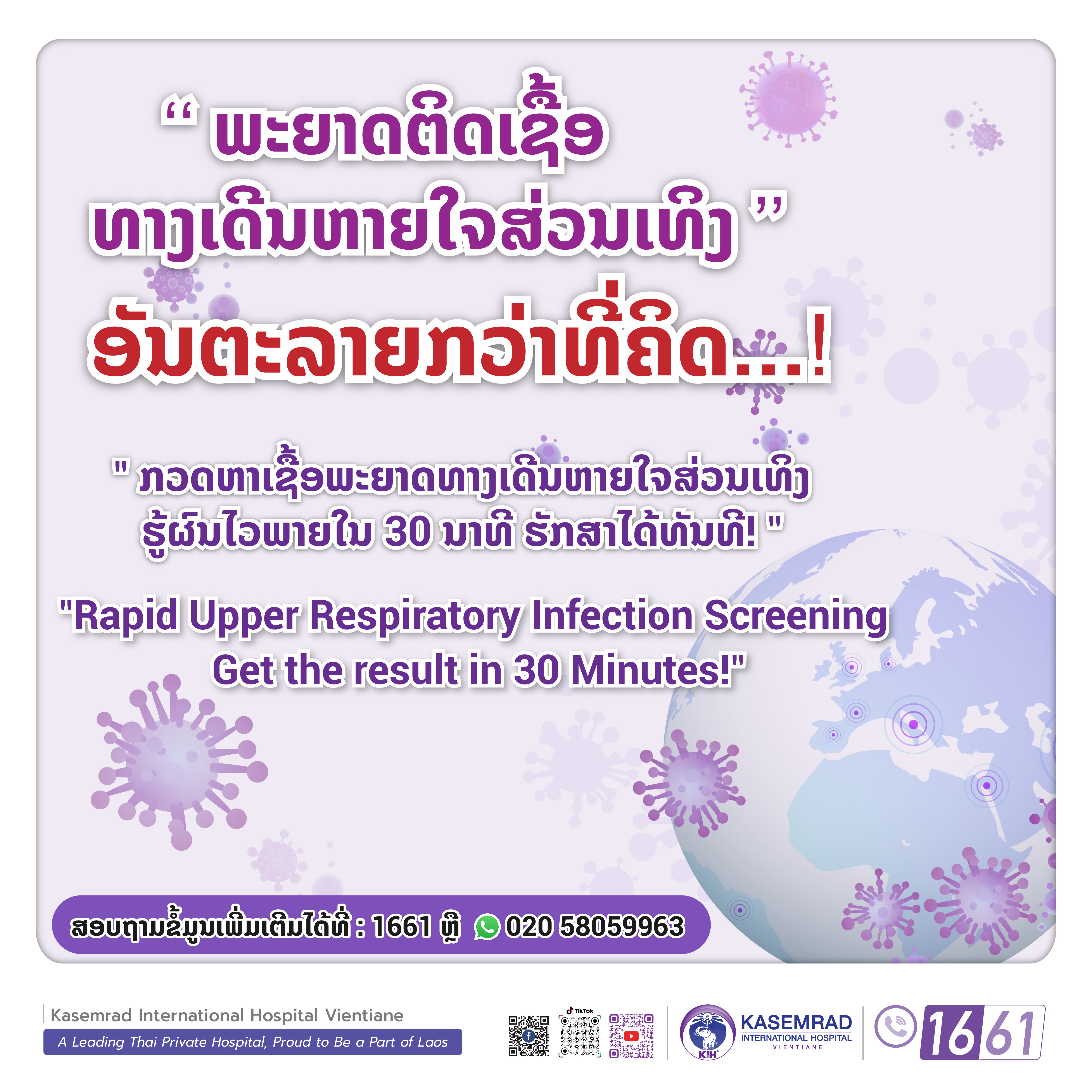
A rapid antigen test for respiratory infections such as SARS-CoV-2, Influenza A & B, RSV, Adenovirus, and hMPV can be conducted using a nasopharyngeal swab. The test results are available within 30 minutes, and the accuracy of the test for various viruses is high, as follows:
- Adenovirus: Diagnostic sensitivity 98.3%, specificity 98.2%
- RSV: Sensitivity 92.7%, specificity 98.0%
- hMPV: Sensitivity 92.5%, specificity 99.1%
- COVID-19: Sensitivity 96.4%, specificity 99.0%
- Influenza A: Sensitivity 99.0%, specificity 98.9%
- Influenza B has a diagnostic sensitivity of 97.7% (Nasopharyngeal Swab)
- Diagnostic specificity is 99.0% (Nasopharyngeal Swab)
Note:
Information reviewed and added by Dr. Manchan Loha.